
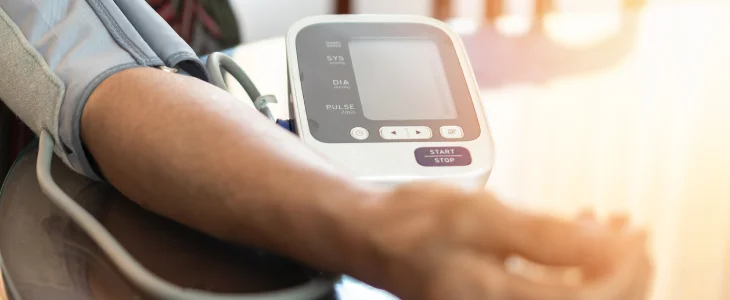
Millions of Americans rely on medical devices every day for diagnosis, treatment, and improving their quality of life. However, when these devices fail, the consequences can be severe, significantly affecting one’s health. Understanding the causes of these failures—from manufacturing flaws to software malfunctions—and recognizing the immediate actions to take can mitigate the risks associated with defective medical devices and the injuries they can cause.
Understanding Medical Device Failure
Medical device failure occurs when these critical tools do not perform as expected, potentially leading to adverse health outcomes. These failures can stem from various sources, such as manufacturing defects, design flaws, software errors, or improper usage by healthcare providers or patients. For instance, a pacemaker might malfunction due to a battery defect, or an insulin pump may deliver incorrect doses due to a programming error.
The impact of such failures is profound, as they can lead to complications, exacerbate existing conditions, or delay essential treatments. By identifying the type of failure and understanding its causes, affected individuals can take appropriate steps to address the issue and seek redress. Awareness and prompt action are crucial in mitigating the effects and preventing further harm.
Immediate Steps to Take
When you suspect a medical device failure, taking immediate action is necessary to ensure your safety and preserve your rights:
- Seek Medical Attention: Your first priority should be to address any immediate health concerns. Contact your healthcare provider for advice and treatment.
- Document Everything: Record the details of the malfunction and any symptoms experienced. Use your phone or camera to take photos of the device and any documents, webpages, and other relevant information. This information is vital for any health treatments or legal actions.
- Preserve the Device: If safe to do so, keep the device and all related components intact. Do not attempt to fix or alter it, as this can be important evidence. It is vital to preserve the device as much as possible.
- Report the Incident: Notify the appropriate authorities or regulatory bodies about the malfunction. This can also help prevent similar incidents in the future.
- Consult a Personal Injury Attorney : Consider speaking with a personal injury attorney who can provide guidance on your legal options and potential for compensation.
Legal Recourse Available
When a medical device fails, affected individuals may have several legal avenues to pursue compensation for their damages. One common approach is a product liability claim, where you can seek damages from manufacturers, distributors, or retailers if the failure resulted from defects in the design, manufacturing, or marketing of the device. Alternatively, if negligence played a role—for example if a healthcare provider improperly installed or maintained the device—you might pursue a negligence claim against those responsible.
Compensation from such claims can cover medical expenses, lost wages due to time off work, pain and suffering, and other related costs. It’s important to act swiftly, as there are statutes of limitations that restrict the time frame within which you can file a claim. Consulting with a knowledgeable personal injury attorney can help you navigate these legal processes effectively.
Contact Our Experienced Defective Medical Device Attorney
At Simeone & Miller, LLP we are dedicated to supporting those affected by medical device failures. Our experienced team is here to offer comprehensive legal guidance, helping you understand your rights and pursue the compensation you deserve. Contact us today, and let us help you take the first step toward resolving your case.
